
Refurbished Espresso Machine Warranty: What's Covered in 2026

Table of Contents
What Refurbished Espresso Machine Warranty Coverage Actually Means
How Refurbished Machines Are Inspected and Restored Before Warranty Begins
Espresso Machine Warranty Length: Standard Durations and What Affects Them
Commercial Espresso Machine Warranty Coverage: Parts, Labor, and Limits
Espresso Machine Warranty Exclusions: What's Not Covered and Why
Refurbished Espresso Machine Inspection Checklist: What to Verify Before Purchase
Manufacturer vs. Seller Warranty: Which Protection Actually Applies to Your Machine
Warranty Transferability, Extended Options, and Repair Turnaround Expectations
Frequently Asked Questions
Last Updated: October 18, 2026
What Refurbished Espresso Machine Warranty Coverage Actually Means
Refurbished espresso machine warranty is a manufacturer or seller's promise to repair or replace specific parts if they fail within a set timeframe. It's not the same as a new-machine warranty.
Here's what matters: refurbished machines go through inspection and restoration before sale. That process resets the warranty clock.
The key difference between refurbished and new warranties comes down to scope. New machines often include extended coverage on all components.
Most sellers distinguish between certified refurbished machines (tested against strict standards) and used or open-box machines (minimal inspection). Certified refurbished carries stronger warranty protection. That distinction matters when you're running a cafe on a tight schedule.
Pro Tip Always ask for the warranty document before purchase. The terms vary dramatically between sellers and manufacturers. Get it in writing, email confirmations count. Verbal promises disappear when something fails.
How Refurbished Machines Are Inspected and Restored Before Warranty Begins
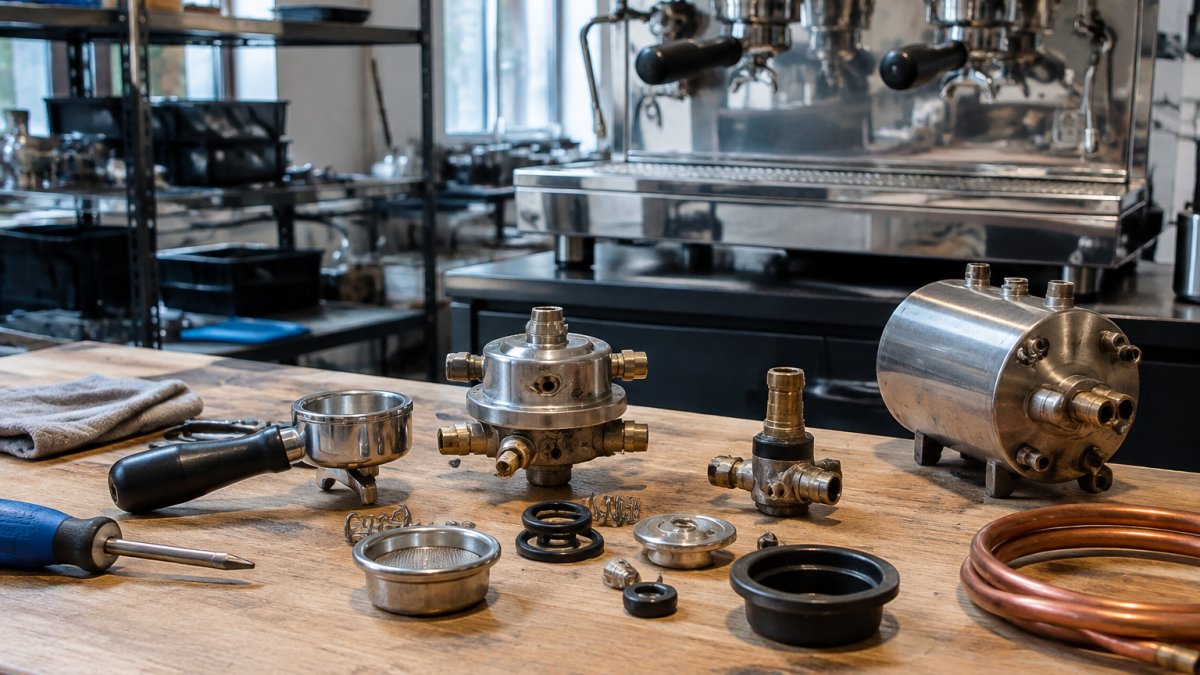
Refurbishment isn't just a cosmetic refresh. A proper reconditioning process includes pressure testing, component replacement, and performance verification. The inspection process determines what gets fixed, what gets replaced, and what warranty protection makes sense.
Here's the typical workflow:
Visual inspection: Technicians check for obvious damage, corrosion, and wear
Pressure and flow testing: The boiler, pump, and group heads are tested under operating conditions
Component replacement: Worn seals, gaskets, and valves get swapped out
Cleaning and descaling: Internal passages are cleared of mineral buildup and old coffee residue
Final performance test: The machine pulls shots and steams milk to verify output quality
Not every refurbished machine goes through the same depth of inspection. Certified refurbished machines follow documented standards. Used or open-box machines might skip several steps.
The refurbishment process directly affects warranty length. A machine that underwent full component replacement and pressure testing can carry a longer warranty because the risk of early failure is lower.
Water quality and maintenance affect whether your warranty stays valid. If you run hard water through the machine without descaling, mineral buildup can damage the boiler.
Espresso Machine Warranty Length: Standard Durations and What Affects Them
Warranty periods for refurbished espresso machines typically range from 90 days to two years. The length depends on the machine's condition, the seller's confidence, the refurbishment depth, and whether you buy from the manufacturer or a third party.
Here's what you'll commonly see:
90-day warranty: Basic coverage, often on machines with light refurbishment or unknown history
One-year warranty: Standard for certified refurbished machines that passed full inspection
Two-year warranty: Extended coverage, usually on higher-end machines or those with extensive reconditioning
What affects warranty length:
Machine age: Older machines may carry shorter warranties even after refurbishment
Original quality tier: Commercial-grade machines often carry longer warranties than consumer models
Seller type: Manufacturer refurbished machines typically have longer coverage than third-party seller refurbished units
Certification status: Certified refurbished gets longer terms than uncertified used machines
The warranty period matters less than what's actually covered during that time. A two-year warranty that excludes parts and labor isn't worth much. A one-year warranty that covers both parts and labor, with fast turnaround, is more valuable.
Watch Out Short warranty periods (under 90 days) often signal incomplete refurbishment. If a seller won't stand behind a machine for at least 90 days, ask why. The answer tells you a lot about confidence in the reconditioning work.
Commercial Espresso Machine Warranty Coverage: Parts, Labor, and Limits
Commercial machines carry different warranty expectations than home machines. You're running revenue through this equipment. Downtime costs money. Warranty terms reflect that reality.
Parts coverage typically includes the boiler, pump, group head, solenoid valves, and electrical components. It usually excludes wear items like gaskets, seals, and shower screens, these are maintenance items, not defects.
Labor coverage is where commercial warranties vary most. Some warranties cover technician time and travel. Others cover parts only, leaving you to pay for service calls. That difference can cost hundreds of dollars per repair.
What's typically NOT covered:
Descaling and routine maintenance
Water damage from improper plumbing or water quality issues
Damage from dropping or physical impact
Modifications or unauthorized repairs
Wear items (gaskets, seals, screens, shower plates)
Cosmetic damage
For a commercial machine, ask these specific questions:
Does labor coverage include travel time and diagnostics?
Is there a maximum repair cost per incident?
How quickly can a technician arrive for emergency service?
Are parts stocked locally or shipped from elsewhere?
When your machine goes down during the morning rush, you need someone who can respond fast, not a warranty that takes two weeks to process a claim.
Espresso Machine Warranty Exclusions: What's Not Covered and Why
Warranty exclusions exist for practical reasons. Understanding them prevents surprises when something fails.
Common exclusions and why they exist:
Water quality issues: Hard water and mineral deposits damage boilers. The warranty can't cover failures caused by improper water treatment. You control this variable.
Descaling neglect: If you don't descale regularly, minerals accumulate inside the machine. That's maintenance, not a defect. Most warranties exclude failures from missed descaling.
User damage: Dropping the machine, forcing parts, or operating it incorrectly isn't a manufacturing defect. Warranties don't cover self-inflicted damage.
Modifications: Unauthorized repairs or parts swaps void coverage. Once you modify the machine, the manufacturer can't guarantee performance or safety.
Normal wear: Gaskets, seals, and screens wear out. They're consumables, not defects. Warranties typically exclude them.
Environmental damage: Corrosion from salt air, humidity, or chemical exposure isn't a manufacturing defect. If you're in a coastal location or harsh environment, ask about additional protection.
The exclusion list protects both you and the seller. It clarifies what the warranty actually covers. Read the full exclusions section before buying. If you don't understand something, ask. Ambiguity during purchase leads to frustration during a breakdown.
Key Takeaway The warranty is only as good as what it actually covers. A long warranty with extensive exclusions is less valuable than a shorter warranty with broad coverage. Read the exclusions first, not last.
Refurbished Espresso Machine Inspection Checklist: What to Verify Before Purchase
Before you commit to a refurbished machine, verify the refurbishment process yourself. Ask the seller for documentation and inspect the machine in person if possible.

Pre-purchase verification checklist:
Request the full refurbishment report showing what was inspected and replaced
Verify pressure test results (boiler should hold rated PSI without leaking)
Check that seals and gaskets are dated (recent replacement, not original)
Run a test shot and verify consistent flow and temperature
Inspect for corrosion, pitting, or visible damage on the boiler exterior
Confirm water inlet and outlet connections are clean and properly fitted
Test the pump for steady pressure (should read stable on the gauge)
Verify the group head threads are intact and not stripped
Ask for proof of descaling and internal cleaning
Get the warranty terms in writing before the purchase is final
Ask the seller these questions:
How long ago was this machine refurbished?
What specific components were replaced versus repaired?
Can you provide test results showing the machine meets original specifications?
If something fails in the first month, what's the process for replacement or repair?
The inspection checklist protects you. It shifts the conversation from trust to verification. A reputable seller welcomes these questions. If a seller resists transparency, look elsewhere.
Manufacturer vs. Seller Warranty: Which Protection Actually Applies to Your Machine
Warranty coverage comes from two sources: the original manufacturer or the seller who refurbished and sold it to you. Understanding which warranty applies, and when, matters when you need service.
Manufacturer warranty is the original coverage from the machine's maker. If you buy a refurbished machine directly from the manufacturer, you get their warranty.
Seller warranty is the protection offered by whoever refurbished and sold you the machine. This is often more relevant for refurbished purchases because it covers the refurbishment work itself.
Here's the practical difference:
Manufacturer warranty typically covers defects in materials and workmanship for the original buyer only
Seller warranty often covers the refurbished machine for the new owner and may include labor
If a part fails within the seller's warranty period, contact the seller first, not the manufacturer
If the seller is out of business or unreachable, the manufacturer may honor their original warranty, but they'll likely deny it
The warranty document should specify which entity is responsible for claims. Some machines carry both warranties simultaneously. Others have one or the other. Get clarity in writing before purchase.
Pro Tip Ask the seller if the warranty transfers if you resell the machine. Some warranties are non-transferable and expire when ownership changes. That affects your resale value down the line.
Warranty Transferability, Extended Options, and Repair Turnaround Expectations
Warranty transferability determines whether the next owner can claim coverage if you sell the machine. Non-transferable warranties expire when you sell.
Check the warranty document for this clause. It's often buried in the fine print. If the warranty doesn't transfer, your buyer knows they're taking on repair risk.
Extended warranty options let you buy additional coverage beyond the standard period. Some sellers offer one-year extensions for a flat fee. Others offer multi-year plans.
Cost varies widely. Before buying extended coverage, ask:
What's the cost per year?
Does it include parts and labor or parts only?
Can you cancel early if you sell the machine?
What's the claim process and typical turnaround?
Repair turnaround is the time between reporting a problem and getting the machine fixed.
Typical scenarios:
Same-day diagnosis: Technician comes out, identifies the problem, and orders parts (if needed)
Next-day parts: Common parts ship overnight; machine is fixed within 24-48 hours
Special order parts: Rare components may take 5-10 business days
Mail-in repair: If you can't get local service, you ship the machine to the repair center (adds 3-5 days each way)
For commercial machines, ask about emergency service options. Some sellers offer expedited repair for critical failures. That service costs more but keeps your business running.
When your machine fails during business hours, we understand the cost of downtime.
Buying a refurbished espresso machine means balancing cost savings against warranty protection. When you're ready to explore refurbished options backed by expert support and transparent warranty terms, reach out to Highpockets Coffee for a consultation on what coverage makes sense for your operation.
Frequently Asked Questions
What does a refurbished espresso machine warranty usually cover?
A typical refurbished espresso machine warranty covers defects in materials and workmanship for 90 days to one year from the original delivery date. Most warranties include parts replacement and labor for internal components like the boiler, pump, and grinder. However, coverage typically excludes wear and tear, user-caused damage, improper maintenance like neglected descaling, and water quality issues. Always verify whether your specific warranty includes both parts and labor, as some seller warranties cover only parts, leaving you responsible for service calls.
How long is the warranty on a refurbished espresso machine?
Refurbished espresso machine warranties typically range from 90 days to one year, depending on the seller and the machine's condition after reconditioning. Manufacturer warranties on refurbished units are often shorter than those on new machines. Some sellers offer extended warranty options for an additional cost. Always confirm the warranty period and coverage duration in writing before purchase, and request proof of the original delivery date, as warranty eligibility depends on it.
Are parts and labor covered under a refurbished espresso machine warranty?
Coverage varies by warranty type. Manufacturer warranties typically cover both parts and labor for defects in materials and workmanship during the warranty period. Some seller warranties cover only parts, requiring you to pay separately for service calls and labor. Third-party extended warranties may offer different combinations. Before buying, ask your seller to specify whether parts and labor are included, and request a written summary of what happens if a component fails, this clarifies whether you'll face unexpected repair costs.
What should you check before buying a refurbished espresso machine?
Request a detailed refurbishment report documenting which components were replaced, cleaned, or tested during reconditioning. Inspect the boiler for corrosion, the pump for leaks, and the grinder for smooth operation. Verify the warranty period and coverage in writing, including whether parts and labor are included. Ask about the machine's lifespan and any known wear patterns for that model. Confirm that the seller will provide proof of purchase and that the warranty is transferable if you later resell the machine. Test water quality compatibility and ask whether descaling maintenance is covered or excluded.
Request A Quote

Comments